

Information gathering is the first and one of the most crucial steps in ethical hacking and cybersecurity assessments. Before launching any penetration test or vulnerability scan, cybersecurity professionals must collect as much data…
Read more
Cross-Site Request Forgery (CSRF) is one of the most common web application vulnerabilities that can allow attackers to perform unauthorized actions on behalf of a legitimate user without their knowledge. In this article,…
Read more
Session fixation vulnerabilities are one of the most critical security issues in web applications. They allow an attacker to take control of a user’s active session, potentially leading to unauthorized access to sensitive…
Read more
Brute force attacks are one of the most basic yet effective ways of testing web application vulnerabilities. In this tutorial, we will demonstrate how to perform a brute force attack on a vulnerable…
Read more
Introduction Command execution or injection attacks are a type of vulnerability that can compromise the security of web applications. These attacks allow malicious users to execute arbitrary commands on the server, often leading…
Read more
Cross-Site Scripting (XSS) is one of the most common vulnerabilities that web applications face today. XSS attacks occur when an attacker injects malicious scripts into web pages viewed by others, which can lead…
Read more
Local File Inclusion (LFI) vulnerabilities are a significant security risk in web applications that fail to properly validate user-supplied input, allowing attackers to include files from the local system. These vulnerabilities can lead…
Read more
File upload functionality in web applications is a critical feature but can pose significant security risks if not properly implemented. One common vulnerability found in web applications is the file upload vulnerability, which…
Read moreBurp Suite is an essential tool for security professionals and ethical hackers, allowing them to intercept and analyze web traffic between a browser and a web server. One of its key features is…
Read more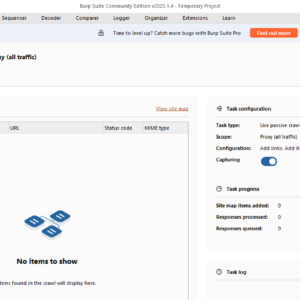
In today’s digital era, ensuring the security of web applications is more critical than ever. Cybersecurity threats like SQL Injection, Cross-Site Scripting (XSS), and other vulnerabilities pose significant risks to businesses and their…
Read more