

Cybersecurity certifications can help professionals validate their knowledge, develop specialized skills, and demonstrate their expertise to employers. From security management and auditing to ethical hacking, web application security, and cloud security, there are certifications available for different career paths and experience levels.
In this article, we look at Most popular cybersecurity certifications covering security leadership, penetration testing, auditing, web application security, cloud security, and core cybersecurity skills.
Most Popular Cybersecurity Certifications
- CISSP – Certified Information Systems Security Professional
- CISM – Certified Information Security Manager
- CISA – Certified Information Systems Auditor
- OSCP – OffSec Certified Professional
- CEH – Certified Ethical Hacker
- GWAPT – GIAC Web Application Penetration Tester
- AWS Certified Security – Specialty
- CCSP – Certified Cloud Security Professional
- CompTIA Security+
- CompTIA SecurityX
1. CISSP – Certified Information Systems Security Professional
CISSP is a cybersecurity certification designed for experienced security professionals who want to demonstrate broad knowledge across security practices, architecture, risk management, operations, and more.The certification covers eight domains.
 Candidates generally need five years of cumulative paid work experience in two or more CISSP domains, along with passing the examination.
Provided by: ISC2
Useful for: Security leadership, security management, architecture, and senior cybersecurity roles.
2. CISM – Certified Information Security Manager
CISM focuses on the management side of information security. It validates knowledge of security governance, risk management, security programs, and incident management.

Provided by: ISACA
Useful for: Information security managers, security governance professionals, and security leaders.
3. CISA – Certified Information Systems Auditor
CISA is designed for professionals who work in IT auditing, governance, risk, compliance, and information systems assessment. It focuses on evaluating whether information systems and related controls are properly designed and managed.
Provided by: ISACA
Useful for: IT auditors, risk professionals, compliance specialists, and information systems auditors.
4. OSCP – OffSec Certified Professional
OSCP is a practical penetration testing certification focused on hands-on skills. Candidates develop skills in enumeration, vulnerability exploitation, privilege escalation, and documenting evidence from penetration tests.
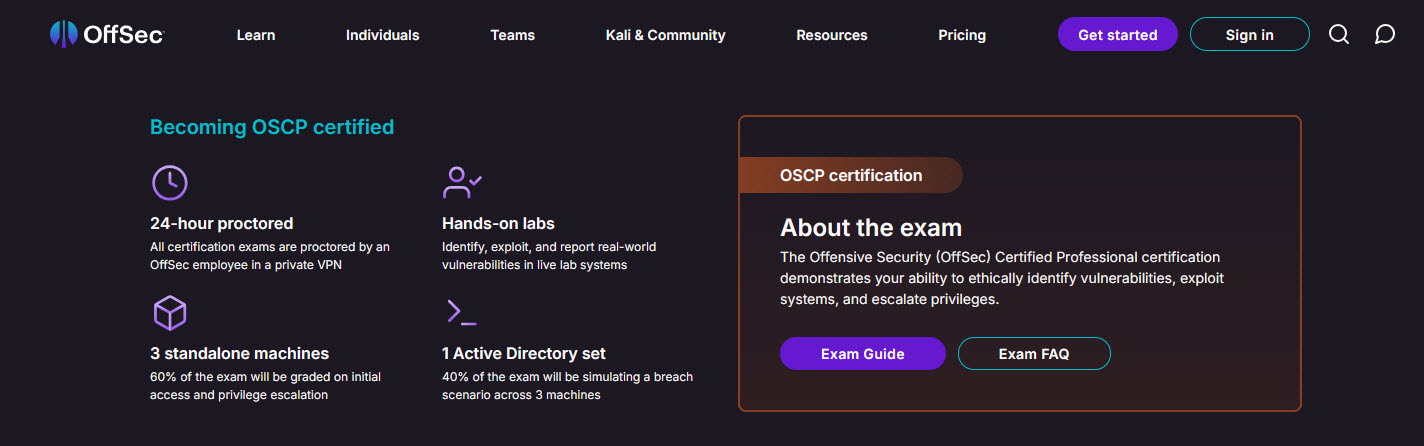
The certification is closely associated with OffSec’s practical penetration testing training and examination environment.
Provided by: OffSec
Useful for: Penetration testers, ethical hackers, red team professionals, and offensive security practitioners.
5. CEH – Certified Ethical Hacker
CEH validates knowledge of ethical hacking techniques and methodologies used to identify weaknesses in systems and networks. It teaches security testing from the perspective of understanding how attackers discover and exploit vulnerabilities, but within an authorized and legal environment.
Provided by: EC-Council
Useful for: Ethical hacking, penetration testing, security testing, and entry-to-intermediate cybersecurity roles.
6. GWAPT – GIAC Web Application Penetration Tester
GWAPT focuses specifically on web application security testing. It validates skills in identifying and testing common web application vulnerabilities and understanding practical penetration testing methodologies.
It can be particularly relevant for professionals working with web application penetration testing and application security.
Provided by: GIAC
Useful for: Web application penetration testers and application security professionals.
7. AWS Certified Security – Specialty
AWS Certified Security – Specialty validates expertise in designing and implementing security solutions within the AWS Cloud. It covers areas such as data protection, encryption, access control, logging, monitoring, and secure cloud architectures.
Provided by: AWS
Useful for: Cloud security engineers, AWS security professionals, and cloud architects.
8. CCSP – Certified Cloud Security Professional
CCSP validates advanced knowledge of securing cloud environments. It covers how to design, manage, and protect cloud data, applications, platforms, and infrastructure while considering security operations, risk, and compliance.
Provided by: ISC2
Useful for: Cloud security professionals, architects, engineers, and security managers.
9. CompTIA Security+
Security+ is a foundational cybersecurity certification that covers essential security concepts and practical skills. It includes topics such as threats, vulnerabilities, security architecture, identity management, security operations, and risk management.
Provided by: CompTIA
Useful for: Beginners and IT professionals moving into cybersecurity and security operations roles.
10. CompTIA SecurityX
SecurityX is an advanced cybersecurity certification aimed at security architects and senior security engineers. It focuses on designing, implementing, and managing secure solutions across complex enterprise environments.
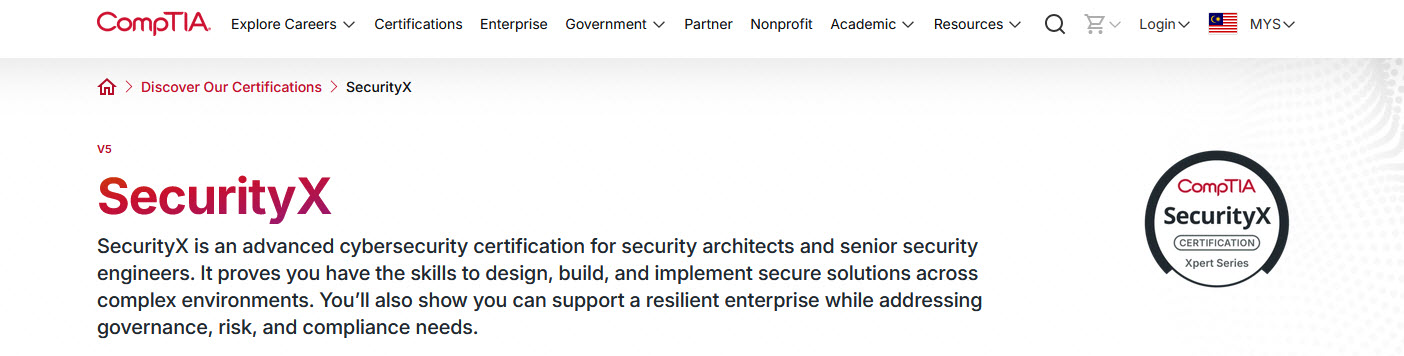
The certification is intended for professionals who already have substantial cybersecurity and IT experience.
Provided by: CompTIA
Useful for: Senior security engineers, security architects, and experienced cybersecurity professionals.
The right certification depends on your experience, current skills, and career direction. Security+ can provide a foundation for people entering cybersecurity, while certifications such as OSCP and GWAPT are more focused on practical offensive and web application security skills. CISA and CISM are oriented toward auditing, governance, risk, and management, while CISSP and CCSP cover broader or cloud-focused security knowledge.
Certifications are most valuable when combined with hands-on experience, practical labs, security projects, and continuous learning. Before registering, always check the certification provider’s current exam structure, eligibility requirements, domains, and renewal policies.
Certification requirements and exam structures can change, so candidates should verify the latest information with the respective certification provider.