

Vulnerability Assessment and Penetration Testing (VAPT) is a critical practice for securing modern web applications. With cyber threats constantly evolving, organizations must proactively identify and fix security weaknesses before attackers exploit them. A structured VAPT process ensures thorough coverage, combining both automated tools and manual expertise to uncover vulnerabilities.
Below is a detailed, step-by-step overview of the VAPT testing process for web applications.
1. Planning and Scope Definition
The first and most important phase of VAPT is defining the scope and planning the assessment. Without clear boundaries, testing can become ineffective or even legally problematic.
In this stage, the security team identifies:
- Target assets such as URLs, domains, or IP addresses
- Critical components of the application
- Testing boundaries and permissions
Special focus is given to sensitive areas, including:
- Login and authentication systems
- APIs and backend endpoints
- Payment gateways and transaction modules
Clearly documenting what is in-scope and out-of-scope helps avoid disruptions to production systems and ensures that testing efforts are aligned with business priorities.
2. Information Gathering (Reconnaissance)
Once the scope is defined, the next step is reconnaissance—collecting as much information as possible about the target system.
This phase involves both passive and active techniques:
Key Activities:
- Identifying the technology stack (programming language, frameworks, and web server)
- Extracting information from HTTP headers and source code
- Discovering open ports and running services
- Enumerating subdomains (if included in scope)
Common Techniques and Tools:
- Technology detection using browser tools or extensions
- Port scanning using tools like Nmap
- Subdomain discovery through DNS enumeration
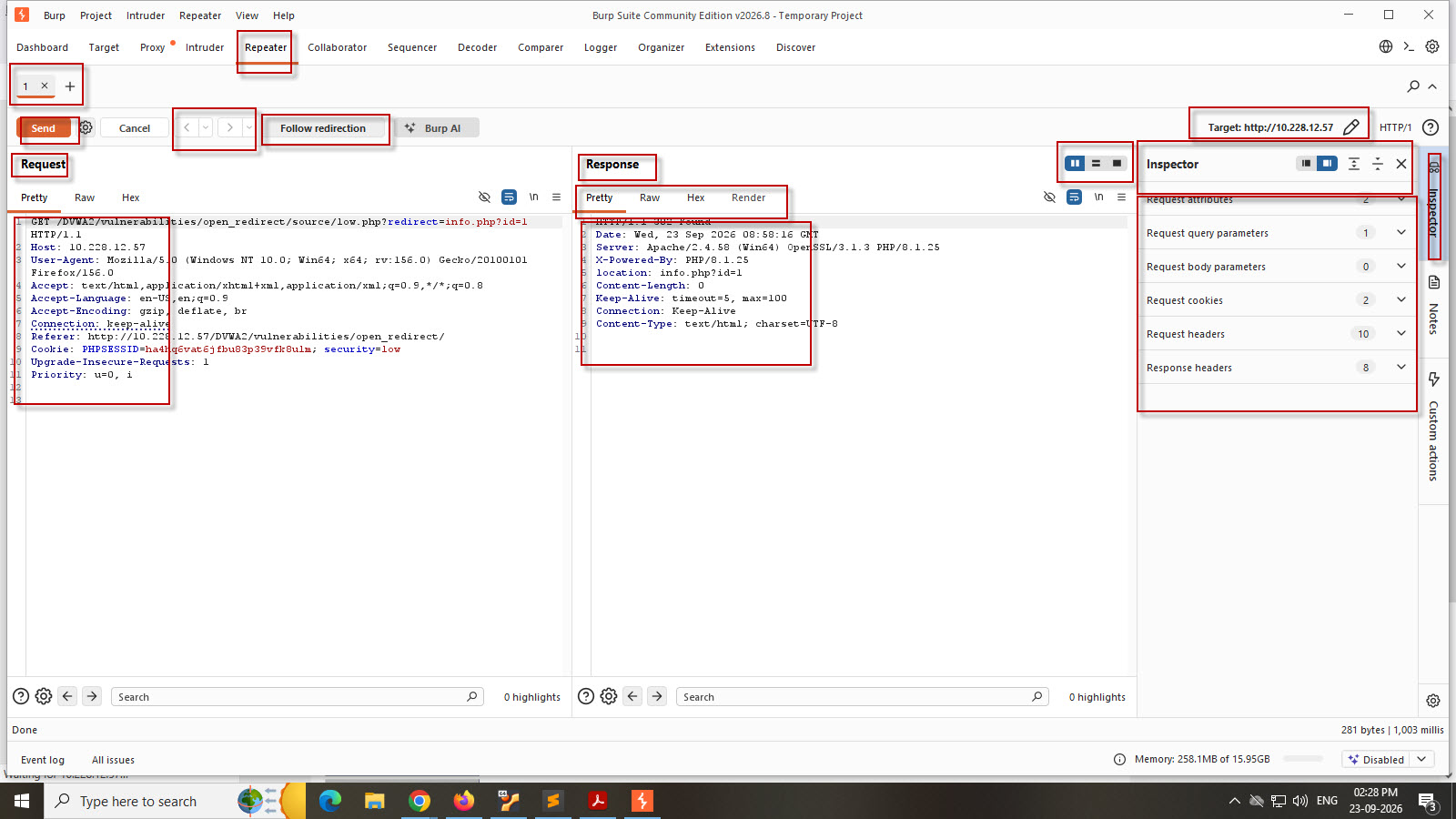
- Checking HTTP methods such as PUT, DELETE, and TRACE using tools like Burp Suite or Netcat
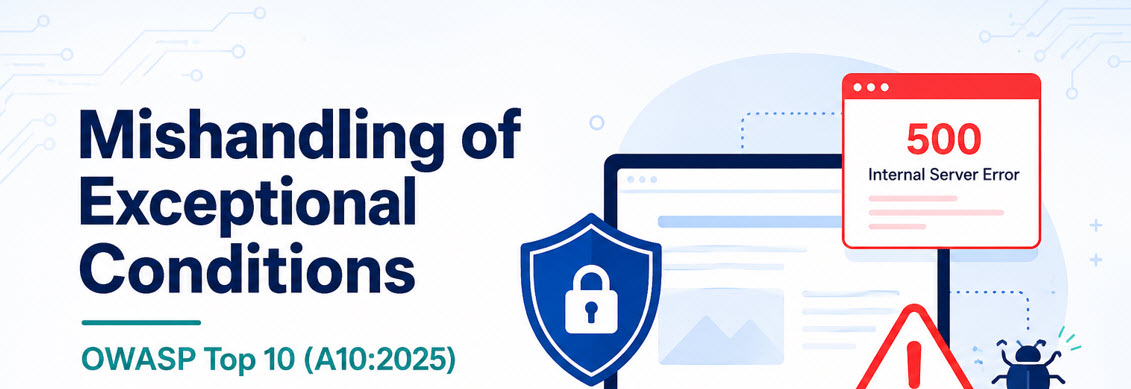
Additionally, testers may perform fuzzing on parameters and URLs to trigger unexpected behavior or error messages, which can reveal hidden vulnerabilities or backend logic.
This phase lays the groundwork for deeper testing by mapping the application’s attack surface.
3. Vulnerability Assessment
In this phase, the application is systematically scanned to identify security weaknesses. Both automated and manual approaches are used to ensure comprehensive coverage.
Common Vulnerabilities Checked:
- SQL Injection (SQLi)
- Cross-Site Scripting (XSS)
- Cross-Site Request Forgery (CSRF)
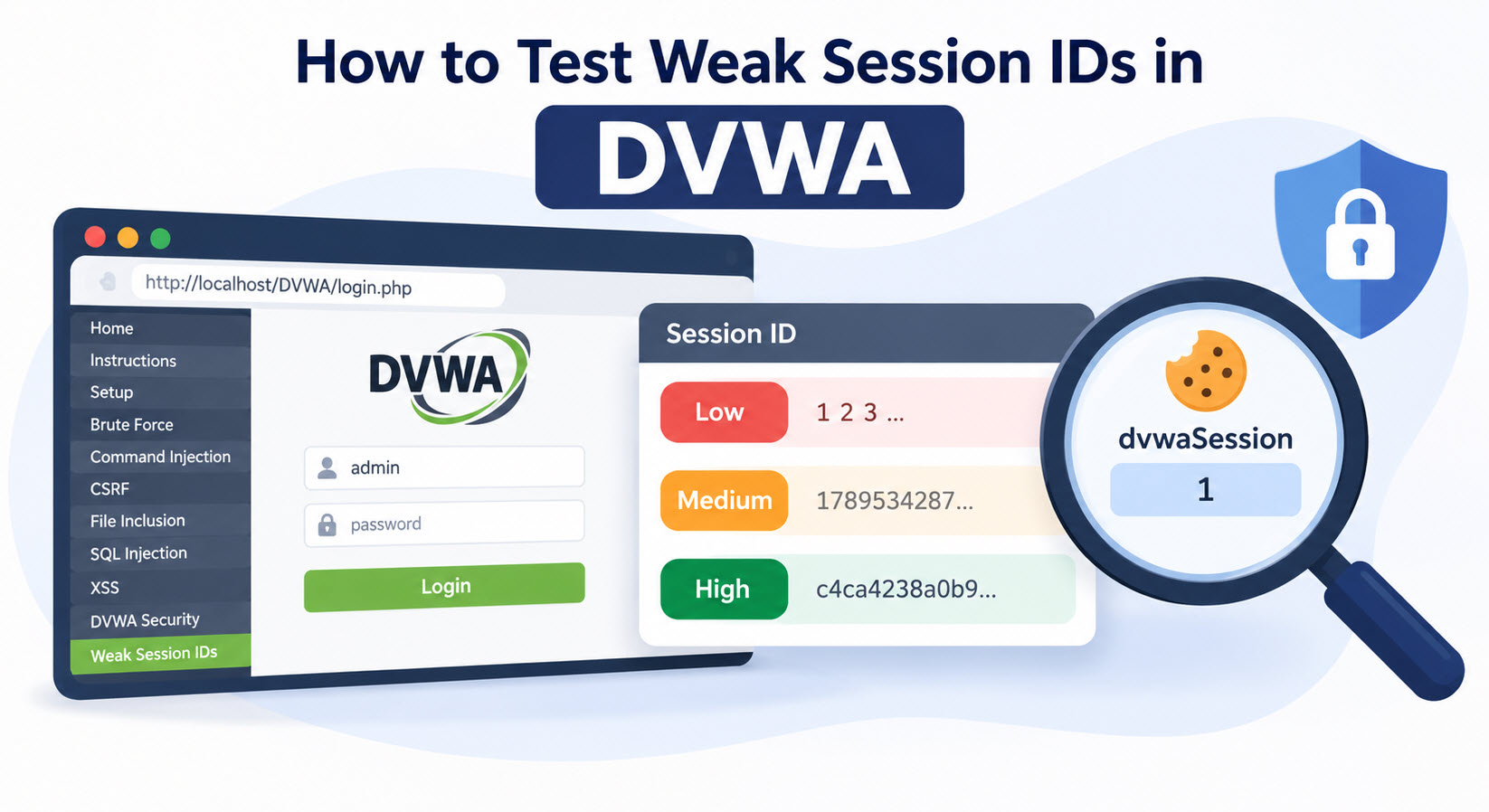
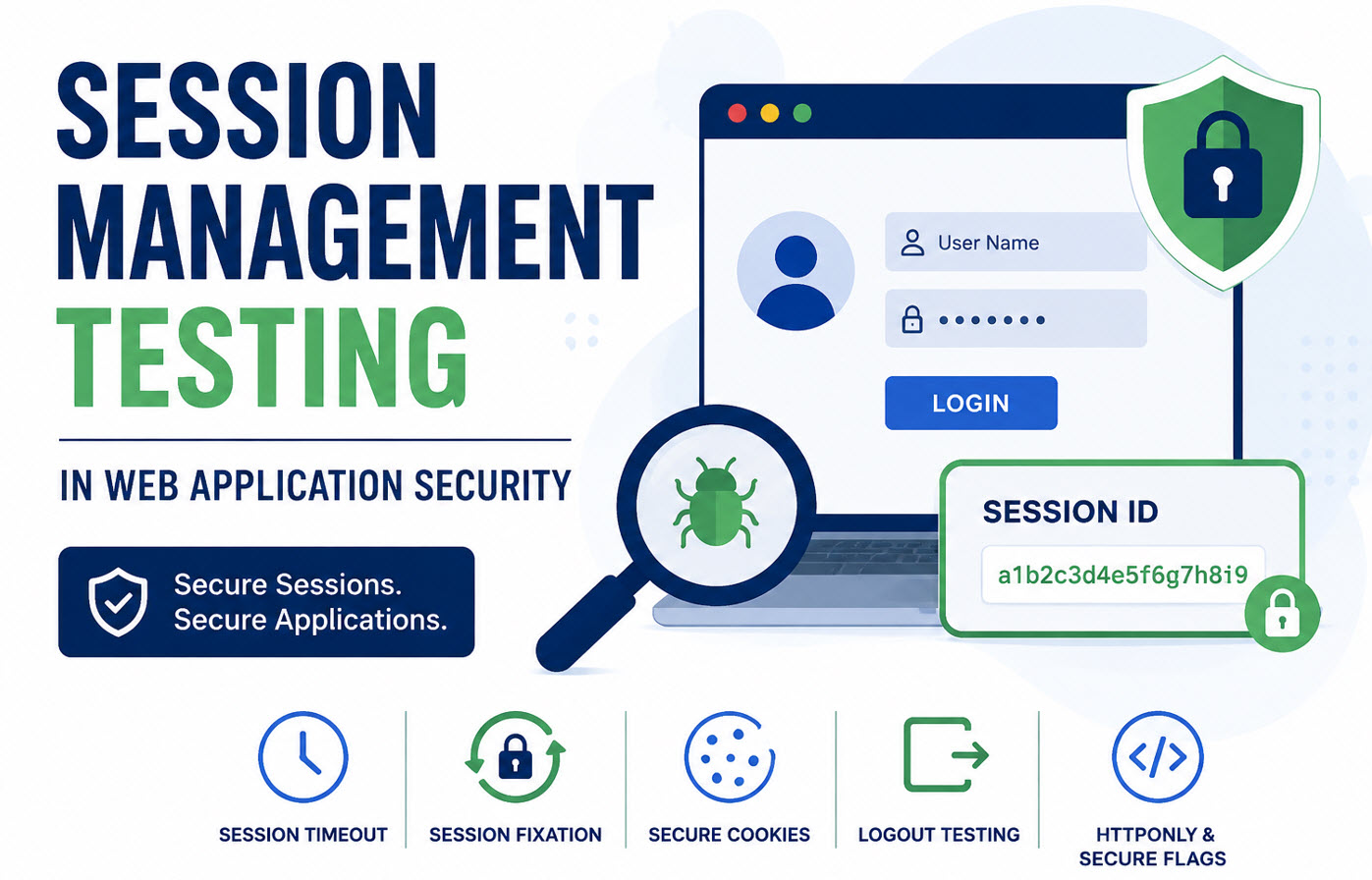
- Authentication and session management flaws
- Security misconfigurations
- TLS/SSL weaknesses
- Input validation issues
Tools Used:
- Automated scanners such as Acunetix
- Burp Suite (scanner and manual testing)
- SQLMap for injection testing
- Nmap for network-level issues
- TestSSL for SSL/TLS configuration analysis
While automated tools help identify common vulnerabilities quickly, manual testing is crucial for detecting complex logic flaws and chained attacks.
Most assessments follow industry standards like the OWASP Top 10, which outlines the most critical web application security risks.
If proper authorization is granted, penetration testers may attempt to exploit identified vulnerabilities to confirm their existence and assess their real-world impact.
4. Reporting
After identifying vulnerabilities, the next step is to document the findings in a clear and structured report.
A good VAPT report should include:
- Testing timeline: Dates during which the assessment was conducted
- Vulnerability name: Clear identification of each issue
- Description: Detailed explanation of the vulnerability
- Proof of Concept (PoC): Evidence demonstrating the issue
- Severity level: Categorized as Low, Medium, or High
- Remediation steps: Practical solutions to fix the issue
The report should be easy to understand for both technical and non-technical stakeholders. It acts as a roadmap for developers and security teams to prioritize and fix vulnerabilities efficiently.
5. Revalidation (Retesting)
Security testing does not end with reporting. Once the client fixes the identified vulnerabilities, the application must be revalidated.
In this phase:
- Previously reported vulnerabilities are retested to confirm fixes
- The application is scanned again for any newly introduced issues
- A follow-up report (Stage 2 report) is generated
Revalidation ensures that:
- Fixes are properly implemented
- No regression issues are introduced
- The application meets the required security standards
This process may be repeated multiple times until all critical vulnerabilities are resolved and the system is secure.
The VAPT testing process for web applications is a comprehensive and iterative approach to cybersecurity. From defining scope and gathering information to identifying vulnerabilities and revalidating fixes, each phase plays a vital role in strengthening application security.
By combining automated tools with manual expertise and following standards like OWASP Top 10, organizations can significantly reduce their risk exposure. Regular VAPT assessments not only protect sensitive data but also build trust with users and stakeholders.
In today’s threat landscape, proactive security testing is not optional—it is essential.



This Post Has 4 Comments
Comments are closed.