

Brute force attacks are one of the most basic yet effective ways of testing web application vulnerabilities. In this tutorial, we will demonstrate how to perform a brute force attack on a vulnerable…
Read more
Local File Inclusion (LFI) vulnerabilities are a significant security risk in web applications that fail to properly validate user-supplied input, allowing attackers to include files from the local system. These vulnerabilities can lead…
Read more
DirBuster is an essential tool for penetration testers and security professionals, allowing them to uncover hidden directories and files on web servers through brute force techniques. This multi-threaded Java application comes pre-installed in…
Read more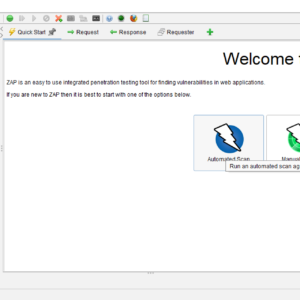
In the world of web application security, the OWASP Zed Attack Proxy (ZAP) stands out as one of the most versatile and user-friendly tools available. This open-source security scanner is an essential resource…
Read more
In the ever-evolving landscape of web security, HTTP Host header attacks have emerged as a significant threat. These attacks exploit vulnerabilities in how websites handle HTTP Host headers, leading to various security issues,…
Read more
Weevely is a stealth backdoor or PHP web shell that simulate telnet-like connection. This tool is used for post exploitation of vulnerability in web application. Syntax weevely generate <password> <file path> In this…
Read more
File Upload vulnerabilities are a common security weakness found in many web applications. By taking advantage of these vulnerabilities, attackers can upload malicious files to a target system and potentially execute arbitrary code….
Read more