In today’s rapidly evolving digital landscape, cybersecurity is more important than ever. Cyber threats are constantly increasing in sophistication, requiring businesses to adopt multi-layered security strategies. One of the most effective ways to achieve this is by using Unified Threat Management (UTM) systems.
What is UTM in Cybersecurity?
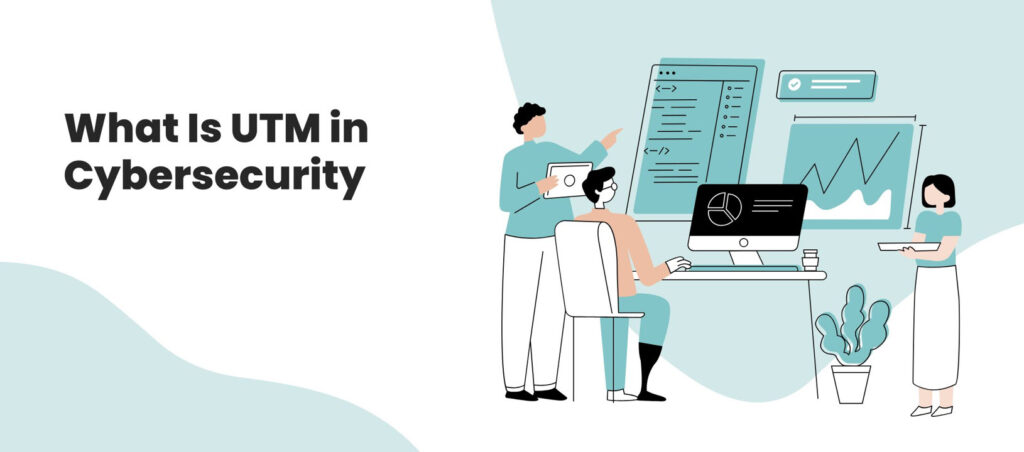
Unified Threat Management (UTM) refers to an all-in-one cybersecurity solution that consolidates multiple security functions into a single device or platform. These security functions typically include features like firewalls, intrusion detection and prevention systems (IDS/IPS), antivirus protection, email filtering, and more. The main goal of UTM is to provide a comprehensive defense against a wide range of cyber threats, while simplifying the management and monitoring of security measures.
UTM systems are particularly popular among small and medium-sized businesses (SMBs) due to their cost-effectiveness and ease of use. Rather than requiring the deployment and maintenance of separate security tools, UTM consolidates them into a single platform that provides robust, multi-layered protection.
Core Components of UTM
- Firewall Protection: At its core, UTM includes a firewall, which monitors and controls incoming and outgoing network traffic based on predetermined security rules. A firewall serves as the first line of defense against external threats, blocking malicious traffic and preventing unauthorized access to the network.
- Intrusion Detection and Prevention Systems (IDS/IPS): UTM typically integrates Intrusion Detection Systems (IDS) and Intrusion Prevention Systems (IPS). These tools are designed to monitor network traffic for suspicious activity and known threats. IDS alerts the administrator when it detects potential threats, while IPS goes a step further by actively blocking malicious traffic to prevent cyberattacks before they can cause harm.
- Antivirus and Anti-Malware Protection: UTM often includes antivirus and anti-malware capabilities to detect, block, and remove malicious software, including viruses, worms, and trojans. This layer of protection helps ensure that harmful software does not spread within the network or reach endpoint devices like computers, mobile devices, and servers.
- Web and Email Filtering: Web filtering tools within UTM prevent users from accessing malicious websites or content that may contain threats like malware, ransomware, or phishing schemes. Email filtering can block spam, detect malicious attachments, and filter out potentially harmful links in emails, reducing the risk of email-based attacks.
- Virtual Private Network (VPN) Integration: Many UTM solutions come with built-in VPN capabilities, allowing secure remote access to the network for employees. This is especially important for businesses with remote workers or those that rely on secure connections for data transfer over the internet. VPNs encrypt data traffic, preventing unauthorized parties from intercepting sensitive information.
- Data Loss Prevention (DLP): Data Loss Prevention (DLP) features in UTM systems help ensure that sensitive data does not leave the network without proper authorization. DLP can monitor, detect, and block the transmission of confidential information, thus preventing accidental or intentional data leaks.
- Application Control: UTM can include application control, which allows organizations to block or restrict access to specific applications or services on the network. This is essential for preventing employees from using unauthorized or potentially harmful applications that could compromise network security.
Why Do Businesses Need UTM?
As cyber threats continue to evolve, businesses need more than just a single layer of protection. UTM provides several key benefits that make it a critical component of any cybersecurity strategy:
- Simplified Management: With UTM, businesses can manage their entire security infrastructure from a single platform. This reduces the complexity of monitoring multiple separate systems, streamlining security operations and making it easier to enforce consistent security policies.
- Cost-Effective: UTM solutions are often more affordable than purchasing and maintaining individual security products. For small to medium-sized businesses (SMBs) with limited resources, UTM offers a cost-effective way to implement comprehensive security without breaking the budget.
- Real-Time Threat Detection and Response: By combining multiple security technologies, UTM systems can detect and respond to a variety of threats in real-time. This proactive approach helps prevent cyberattacks from succeeding, minimizing the risk of data breaches and network disruptions.
- Scalability: As businesses grow, so do their security needs. UTM solutions are scalable, meaning they can easily accommodate increased traffic, additional users, and expanded infrastructure without requiring a complete overhaul of the security system.
- Compliance: Many industries are subject to strict regulatory requirements regarding data protection and cybersecurity. UTM can help organizations comply with these regulations by providing comprehensive protection for sensitive data and ensuring that security measures are in place to safeguard against potential threats.
UTM vs. Next-Generation Firewalls (NGFW)
While UTM and Next-Generation Firewalls (NGFW) share many similarities, they are not the same thing. NGFW is essentially a firewall that goes beyond traditional firewalls by integrating additional security features such as deep packet inspection, application awareness, and integrated intrusion prevention.
The key difference lies in the scope of protection. UTM provides a comprehensive suite of security features that go beyond just firewall capabilities, including malware detection, email security, and data loss prevention. NGFW, on the other hand, focuses more specifically on advanced firewall functionality and network traffic inspection.
Unified Threat Management (UTM) systems are a vital tool for modern cybersecurity, offering businesses an all-in-one solution to protect against a wide range of threats. By consolidating various security features like firewalls, intrusion prevention, antivirus, and more, UTM simplifies the management of network security while providing robust protection.
For small and medium-sized businesses looking for a cost-effective, scalable, and easy-to-manage security solution, UTM is an excellent choice. By incorporating a UTM solution into your cybersecurity strategy, you can safeguard your organization from evolving cyber threats and ensure long-term data protection.